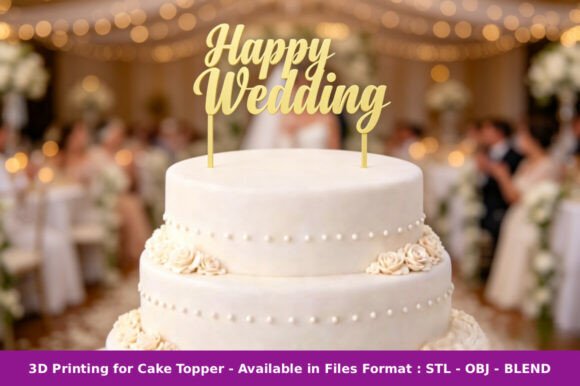
Wedding Cake Topper: A Sweet Touch for Every Celebration
Adding a personal and charming detail to your wedding cake can elevate the entire celebration. A Wedding Cake Topper is more than just a decorative item—it's a meaningful accent that reflects the couple’s style and story. Whether you're planning a grand wedding or a quiet anniversary gathering, the right cake topper brings a touch of elegance and warmth to the table.
With digital design files becoming more accessible, many couples and creators are turning to downloadable 3D models to craft custom cake toppers. This set includes 5 STL files, 5 OBJ files, and 1 BLEND file compatible with Blender version 3.0, making it easy for both beginners and experienced designers to bring their vision to life. However, before diving into your download and printing process, there are several key considerations to keep in mind.
Common Mistakes When Choosing and Using a Wedding Cake Topper
One of the most frequent oversights is not fully understanding the technical requirements of digital 3D files. Many people assume that once they’ve downloaded the files, they can simply print and use them without any adjustments. In reality, each printer and material type may require tweaks to ensure the final product looks polished and holds up well.
Another common mistake is underestimating the importance of scale and proportion. A cake topper that’s too large or too small can disrupt the visual balance of the cake. Some users print their toppers without checking the dimensions against their cake size, resulting in a mismatch that can be difficult to fix after the fact.
Many also overlook the structural integrity of the design. A topper that looks great on screen might not be sturdy enough to stand upright on a cake, especially if it includes delicate or overhanging elements. This can lead to disappointment when the topper breaks or falls over during the event.
How These Mistakes Affect Your Results
Printing a poorly scaled or unsupported design can lead to wasted time, materials, and money. It may also cause unnecessary stress in the final days before an event. Additionally, a topper that doesn’t match the theme or tone of the wedding can clash with the overall decor, reducing its impact and meaning.
From a usability standpoint, a poorly designed topper may not fit securely on the cake, risking instability or damage. This can be especially concerning if the cake is tiered or will be transported before the event. Presentation matters, and small oversights can have big consequences when it comes to visual appeal and functionality.
Practical Advice for Choosing and Using Your Cake Topper
Before downloading or printing your Wedding Cake Topper files, always verify your printer’s capabilities and the recommended print settings for the design. If you're new to 3D printing, start with a test print at a smaller scale to check for any structural issues or adjustments needed.
Take the time to visualize how the topper will look on your specific cake. Use measurements or digital mockups to ensure the proportions are right. Consider the height, width, and weight of the topper, especially if it includes intricate details that may affect balance.
When choosing a design, look for features that reinforce strength, such as thicker bases or integrated supports. Avoid overly delicate elements unless you’re confident in your printing skills or plan to reinforce the structure during post-processing.
What to Check Before Downloading and Printing
- File Compatibility: Ensure the STL, OBJ, and BLEND files are compatible with your 3D modeling and printing software. Blender version 3.0 is required for editing the BLEND file, so confirm you have access to it.
- Print Settings: Review the recommended layer height, infill percentage, and support structures for optimal results.
- Scale and Orientation: Adjust the size and rotation of the model to suit your cake and printing bed dimensions.
- Material Choice: Consider using food-safe filaments or coatings if the topper will come into direct contact with the cake.
Realistic Examples and Better Approaches
For example, a couple planning a rustic barn wedding initially chose a tall, ornate topper that overwhelmed their simple buttercream cake. After realizing the mismatch, they scaled down the design and opted for a wooden finish using paint and sanding techniques. The result was a cohesive, elegant centerpiece that complemented the overall aesthetic.
Another user printed a topper without supports, only to find that the arms of the figurine collapsed during printing. By adjusting the orientation and adding supports in the slicing software, they were able to successfully print a second version that looked flawless on the cake.
Final Thoughts on Making the Most of Your Wedding Cake Topper
A Wedding Cake Topper is more than just a finishing touch—it’s a symbol of celebration, love, and creativity. Whether you're a DIY enthusiast, a professional baker, or someone planning a special event, taking the time to understand the design and printing process ensures your topper looks beautiful and functions well.
By avoiding common pitfalls and approaching your project with a bit of planning and attention to detail, you’ll create a memorable piece that enhances your cake and delights your guests. Remember, the goal is to add a touch of sweetness—not stress—to your special day.